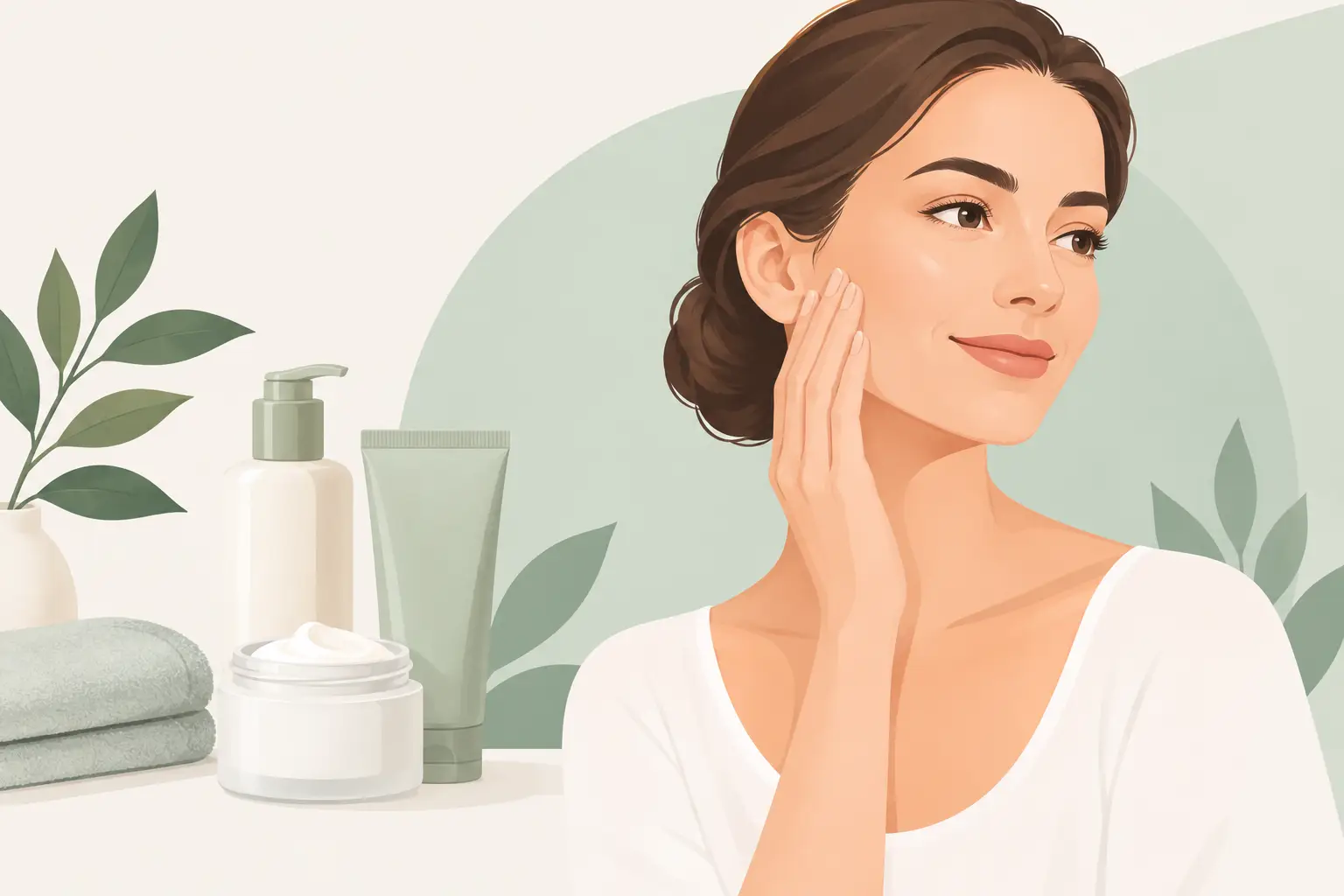
The skin at the edge of your jaw has a way of asking for attention quietly. It may feel papery after a shower, look less comfortable beneath a collar, or seem to hold onto dryness long after your face has been cared for. The best moisturizers for thin skin are not necessarily the ones with the longest ingredient lists or the loudest promises. They are the ones you can return to, night after night, for the areas that are exposed, expressive, and too often forgotten.
Thin skin is not a flaw to correct. It is a quality that calls for a gentler kind of consistency, especially on the neck, chest, and ears. These areas move constantly, meet the sun and weather without much protection, and rarely receive the same considered care as the face.
What thin skin needs from a moisturizer
Skin can become thinner and more delicate with time, but some parts of the body are naturally more vulnerable from the start. The neck and décolleté have fewer oil glands than the face. The ears are exposed from every angle. Together, these areas can feel dry, look crepey, or become easily irritated when they are treated with products designed for a different purpose.
A well-chosen moisturizer helps in two related ways. First, it draws water into the outermost layer of skin and helps hold it there, easing that tight, dry feeling. Second, it supports the skin barrier, the protective layer that helps keep moisture in and everyday irritants out. When the barrier is comfortable, skin often looks smoother and feels less reactive.
That does not mean a richer formula is always better. Very heavy textures can feel unpleasant on the neck or transfer to bedding and clothing. Very light gels may be refreshing but may not provide enough lasting comfort for dry, mature, or seasonally stressed skin. The right finish is the one that leaves skin cushioned, not coated.
The best moisturizers for thin skin favor restraint
When shopping for thin, exposed skin, begin with the formula's purpose rather than its marketing language. A moisturizer does not need a crowded lineup of trendy actives to be worthwhile. In fact, a focused formula is often easier to use consistently and easier to understand when your skin is feeling sensitive.
Look for humectants, which help bind water in the skin, alongside emollients that soften rough texture and replenish a supple feel. Barrier-supporting lipids can also be useful, particularly when skin feels dry, compromised, or more sensitive than usual. Antioxidant ingredients may be a thoughtful addition for skin that sees regular daylight exposure, though they do not replace daily sun protection.
The ingredients left out matter, too. If your skin is easily reactive, be cautious with strong fragrance, frequent exfoliating acids, or high-strength retinoids introduced all at once. None of these are automatically off-limits for every person, but thin skin is not the place to chase a tingling sensation as proof that something is working.
A cream made for a nightly ritual can be especially useful because it asks very little of you. RĒMĒMBĒR's nightly renewal cream was created for the ears, neck, and décolleté: the thin, mobile skin below and around the jawline that conventional routines tend to overlook. Its value is in that specificity, not in asking you to add another complicated step.
Texture is more than preference
A product's texture shapes whether it becomes part of your life. For normal to dry skin, a cream with enough slip to massage over the neck and chest can make care feel more restorative. For oilier skin or humid climates, a lighter lotion may be more comfortable, provided it still leaves the skin feeling protected by morning.
Take notice of what happens a few hours after application. If your neck feels tight again quickly, the formula may be too light or your skin may need a little more product. If it feels congested, sticky, or irritated, simplify. A moisturizer should make the area easier to live in, not something you are waiting to wash off.
How to build a quiet nightly practice
The most effective routine is often the one that fits into the few minutes when the day begins to soften. After cleansing your face, do not stop at the jawline. Warm a small amount of moisturizer between your palms, then press and sweep it from the chest upward over the neck. Continue behind the ears, across their outer curves, and along the skin just below the hairline.
Use a light touch. Thin skin does not need vigorous rubbing or repeated pulling. Let the product provide the glide, and give yourself enough time to cover the full area rather than treating the neck as an afterthought. If you wear jewelry or sleep in a position that creates friction, allowing the cream a moment to settle before dressing or lying down can help.
Morning care matters as well. Moisturizer can help the skin feel comfortable, but it is not a substitute for broad-spectrum sunscreen. The neck, upper chest, and ears deserve the same daily protection you would give your face, particularly if they are regularly exposed while driving, walking, gardening, or sitting near a window.
Be thoughtful with active treatments
Many people use retinoids, exfoliating acids, or brightening treatments as part of their facial routine. These can be appropriate in certain circumstances, but the neck and chest may tolerate them differently. The skin there can become dry or irritated more quickly, especially when several active products are layered together.
If you want to use an active treatment below the jawline, start slowly. Apply it on separate nights from other potentially irritating products, use a small amount, and follow with a nourishing moisturizer. Pay attention over several weeks, not one evening. Redness, persistent burning, flaking, or unusual sensitivity are signs to pause and reassess.
For skin that bruises, tears, develops wounds, or changes noticeably without explanation, a moisturizer is not the full answer. A dermatologist or other qualified clinician can help identify whether medications, sun damage, eczema, hormonal changes, or another concern is involved. Thoughtful home care and professional guidance can belong in the same routine.
What consistency can and cannot do
Moisturizer can improve the look and feel of dry, thin skin by supporting hydration and comfort. It cannot erase every line, reverse years of exposure, or make delicate skin behave like a different kind of skin. That is not a failure of the product or the person using it. It is simply a more honest expectation.
What steady care can offer is a visible sense of ease: skin that feels less tight, looks more rested, and receives attention before it is asking loudly for help. Small changes in texture often come from small habits repeated with patience.
You do not need to turn your bathroom shelf into a laboratory. Choose a formula with a clear purpose, protect the areas that meet the day first, and take one unhurried minute at night to care for the skin you usually forget.